Gerful: The Art Deco Display Typeface for Modern Digital Brands
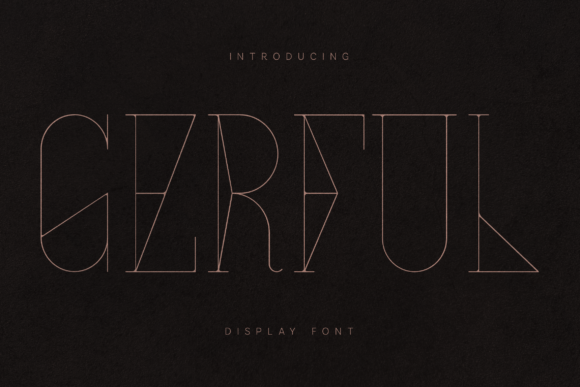
When designing high-converting digital experiences, the choice of typography dictates not just readability but the entire emotional tone of the interface. Gerful is a refined Art Deco inspired display typeface built with geometric precision and elegant vertical rhythm, offering web designers a sophisticated tool to elevate brand presence. In an era where visual hierarchy determines user engagement, selecting the right Fonts can mean the difference between a forgettable landing page and a memorable brand experience. This article explores how Gerful’s distinctive characteristics—from its thin monoline strokes to its sharp architectural shapes—can be leveraged in modern web design to create stunning, professional, and conversion-focused layouts.
Elevating Hero Sections with Gerful’s Geometric Precision
The hero section of any website is prime real estate, demanding immediate impact and clear communication. Gerful excels in this space because its Art Deco influences provide a sense of luxury and timelessness that resonates with premium audiences. Unlike generic sans-serif headers, Gerful introduces character without sacrificing clarity. Its geometric construction ensures that large-scale text remains crisp on high-resolution displays, from Retina screens to 4K monitors. For digital product creators, using Gerful as a primary header font establishes an authoritative yet artistic brand voice immediately. The font’s ability to command attention makes it ideal for headline-driven designs, allowing your value proposition to stand out against minimalist backgrounds or complex imagery. When paired with ample white space, Gerful’s vertical rhythm guides the eye naturally down the page, setting a structured foundation for the rest of the content.
Creating Visual Hierarchy in Landing Page Design
Effective web design relies heavily on visual hierarchy to guide users through a narrative. Display fonts like Gerful play a crucial role in distinguishing key information from body copy. By utilizing Gerful for subheadings, call-to-action (CTA) labels, and short promotional phrases, designers can create distinct layers of importance. The font’s sharp edges and monoline strokes offer a modern contrast to traditional serif or rounded typefaces, making it particularly effective for tech-forward brands, fashion e-commerce sites, or creative portfolios. When scanning a webpage, users respond to variations in weight and style; Gerful provides a unique stylistic anchor that breaks the monotony of standard web-safe fonts. This differentiation helps reduce bounce rates by keeping visitors engaged with a visually dynamic layout that feels curated and intentional.
Enhancing Brand Identity for Online Stores and Boutiques
For online store owners and boutique brands, aesthetics are directly linked to perceived product value. Gerful brings an air of exclusivity and craftsmanship to digital storefronts, mirroring the quality of physical goods. Its Art Deco roots evoke the glamour of the 1920s and 30s, which can be subtly adapted for contemporary luxury branding. Imagine using Gerful for product category titles, sale banners, or newsletter signup headers. The font’s elegance suggests attention to detail, a trait customers associate with high-quality service. Furthermore, because Gerful is a display typeface, it should be used sparingly to maintain its impact. Overusing decorative fonts can clutter a UI, so reserving Gerful for strategic touchpoints ensures that every instance reinforces the brand’s premium identity. This selective application builds trust and encourages longer browsing sessions.
Optimizing Readability Across Mobile and Responsive Layouts
While decorative fonts often struggle on small screens, Gerful is engineered with digital usability in mind. Its clean lines and open counters ensure legibility even at smaller sizes, provided it is used correctly. Web designers must remember that display fonts are best suited for headlines rather than paragraphs. On mobile devices, where screen space is limited, Gerful’s concise forms prevent text from feeling cramped. To optimize responsiveness, pair Gerful with a highly readable sans-serif font for body copy. This combination balances style with function, ensuring that while the headers grab attention, the content remains easy to digest. Testing Gerful on various devices is essential; adjusting line height and letter spacing can further enhance its performance, ensuring that the font maintains its elegance whether viewed on a desktop monitor or a smartphone.
Strategic Font Pairing for Editorial and Content-Rich Sites
One of the most powerful techniques in modern typography is pairing a distinctive display font with a neutral body font. Gerful pairs exceptionally well with clean, geometric sans-serifs or classic humanist serifs. For a modern, tech-oriented look, combine Gerful with a font like Helvetica Now or Inter. For a more editorial, magazine-style feel, pair it with a serif such as Playfair Display or Merriweather. This juxtaposition highlights the unique qualities of Gerful while maintaining overall harmony. In blog graphics, course pages, or digital magazines, this pairing allows for rich typographic storytelling. The contrast between the sharp, architectural Gerful and the softer body text creates a pleasing visual rhythm that keeps readers engaged. Additionally, using Gerful for pull quotes or highlighted statistics adds a layer of sophistication that elevates the entire piece.
Implementing Gerful in Call-to-Action and Conversion Elements
Conversion-focused layouts require buttons and CTAs that are both visible and compelling. While full sentences are rarely used in buttons, Gerful can be effectively applied to short, punchy phrases like "Shop Now," "Get Started," or "Learn More." The font’s sharp angles convey decisiveness and action, psychologically nudging users toward clicking. However, caution is advised with button sizing; if the text becomes too small, the intricate details of Gerful may disappear, reducing readability. It is best to use Gerful for larger buttons or as part of a broader graphic element rather than tiny interactive elements. Integrating Gerful into these conversion points requires a balance of aesthetic appeal and functional clarity. By ensuring sufficient contrast against background colors and maintaining adequate padding around the text, designers can create CTAs that are both beautiful and effective.
Licensing and Commercial Use for Digital Products
For professional designers and agencies, understanding licensing is critical when incorporating Fonts into client projects. Gerful is designed for commercial use, including websites, apps, and digital marketing materials. Always verify the specific license terms regarding webfont embedding, number of page views, and app installations. Using a properly licensed font protects your business from legal risks and supports the type foundry. Whether you are building a custom WordPress theme, designing a Figma template for sale, or creating assets for a client’s rebrand, ensuring that Gerful is legally acquired is a fundamental step in the production process. Many modern font licenses offer straightforward webfont kits, simplifying the integration into CSS and ensuring consistent rendering across browsers.
Final Integration Tips for Creative Entrepreneurs
Incorporating Gerful into your design workflow starts with experimentation. Create mood boards that explore different color palettes and image styles that complement the font’s Art Deco heritage. Test Gerful in various contexts—dark mode interfaces, light editorial layouts, and vibrant social media graphics—to see how it adapts. Remember that the power of a display typeface lies in its restraint. Use it to punctuate key moments in your user journey, and let the surrounding design support its elegance. By leveraging Gerful’s geometric precision and vertical rhythm, you can craft digital experiences that are not only visually striking but also strategically sound. Ultimately, the right font choice is an investment in your brand’s long-term recognition and user satisfaction.