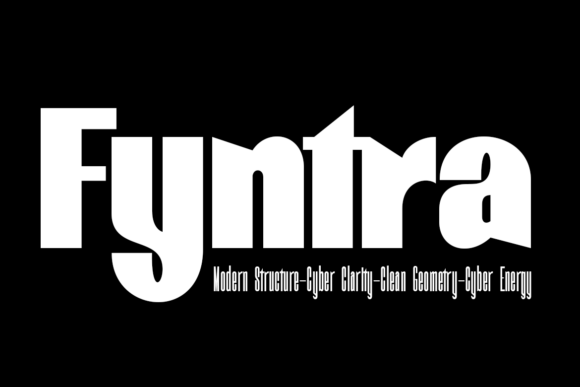
Fyntra: A Bold Display Typeface for Modern Editorial Design
The cursor blinks on a blank canvas. It is 2 AM, and the deadline for the new digital magazine layout is looming. The content is solid, the photography is sharp, but the typography feels flat. It lacks the pulse that turns a reader into an audience member. In these quiet moments of design block, the choice of a display font can be the difference between a forgettable page and a publication identity that resonates. This is where Fyntra enters the workflow—not as a mere decorative afterthought, but as a structural anchor that defines the mood of the entire spread.
Fyntra is not a subtle background player; it is a bold display font designed to command attention with immediate visual authority. When you are tasked with redesigning a blog header or crafting the cover of a high-end coaching workbook, you need a typeface that speaks before the reader processes the first sentence. Fyntra delivers this through its sophisticated modern structure and sharp angles, offering a geometric precision that feels both futuristic and editorially grounded. For publishers and independent creators looking to elevate their brand identity, understanding how this specific typeface functions within a larger typographic system is essential.
How Fyntra Shapes Editorial Mood in Digital Magazines
When evaluating Fyntra for use in a digital magazine layout, the first thing that strikes the designer is its inherent energy. The product description notes that it pulses with cyber energy, a trait that translates beautifully into screens where contrast and clarity are paramount. Unlike traditional serif fonts that evoke history, or organic scripts that suggest handcrafted warmth, Fyntra occupies a distinct niche: the intersection of technology and high-fashion editorial design.
In my recent project involving a lifestyle blog redesign, I needed a headline font that could bridge the gap between tech reviews and fashion features. Standard geometric sans-serifs felt too cold, while humanist fonts lacked the necessary edge. Fyntra provided the perfect middle ground. Its sharp angles create a sense of movement and urgency, which is ideal for pull quotes, section dividers, and feature article titles. By using Fyntra for these key elements, the layout gains a rhythmic quality that guides the eye down the page without overwhelming the body text. The font’s bold weight ensures it remains legible even at smaller sizes on mobile devices, making it a versatile tool for responsive web design.
However, the power of Fyntra lies in its restraint when used correctly. Because it is a display font, it demands space. In a dense newsletter graphic or a crowded social media post, Fyntra can become visually noisy if not paired carefully. The best results come from treating Fyntra as a spotlight rather than a floodlight. Use it for the main hook—the "hero" text—and let other typefaces handle the supporting narrative. This approach preserves the font’s distinctive character while maintaining the readability that audiences expect from professional publications.
Optimizing Fyntra for Ebook Covers and Printable Guides
For creators selling digital products, such as printable planners, wedding guides, or course PDFs, the cover image is the primary conversion tool. Here, the application of Fyntra shifts from editorial rhythm to commercial impact. The sharp, angular nature of the letters creates a clean, architectural feel that works exceptionally well for minimalist branding. When designing a cover for a productivity workbook, for instance, Fyntra conveys efficiency and modernity, signaling to the buyer that the content inside is structured and actionable.
I recently tested Fyntra in a series of recipe ebooks aimed at a younger, design-conscious demographic. The goal was to move away from the cluttered, homey aesthetic typical of food blogs and toward a sleek, contemporary look. Using Fyntra for the chapter titles and ingredient lists created a striking visual hierarchy. The geometric precision of the font made the recipes feel organized and easy to follow, enhancing the user experience. Furthermore, the font’s bold presence ensured that thumbnail images of the ebook remained recognizable and attractive on platforms like Etsy or Amazon KDP, where small screen real estate is critical.
It is important to note that while Fyntra excels in these contexts, it is not suitable for long-form reading. Attempting to set body copy in Fyntra would result in fatigue for the reader due to the lack of traditional serifs and the aggressive geometry of the letterforms. Instead, pair Fyntra with a highly readable serif font for body text or a clean sans-serif font for captions. This combination leverages the expressive nature of Fyntra for headings while relying on neutral typefaces for comfort and clarity. Such font pairing strategies are crucial for maintaining a cohesive brand identity across all your design assets, from email newsletters to printed booklets.
Technical Considerations for Commercial Licensing and File Formats
Before integrating Fyntra into any client publication or paid digital download, it is vital to review the commercial font licensing terms. As a premium font, Fyntra likely comes with specific restrictions regarding the number of end-users, embed rights for PDFs, and usage in logo design. Ensuring compliance protects your business from legal complications and respects the intellectual property of the type designer.
Additionally, check the included styles and alternates. High-quality display fonts often offer multiple weights, italics, or special ligatures that can add nuance to your headlines. If the package includes multilingual support, this expands the font’s utility for global audiences, allowing you to maintain a consistent visual language across different markets. Verifying the file formats—such as OTF, TTF, or WOFF—is also essential for seamless integration into design software like Adobe InDesign, Illustrator, or web-based builders like WordPress and Squarespace. These technical details ensure that the aesthetic promise of Fyntra is fully realized in the final output, whether it is a high-resolution print job or a dynamic web banner.
Why Fyntra Fits the Modern Creator Economy
The current landscape of content creation favors brands that can communicate quickly and visually. Audiences scroll rapidly, and they respond to designs that are bold, clear, and distinct. Fyntra aligns perfectly with this demand. Its sophisticated modern structure offers a way to stand out in a sea of generic templates. Whether you are building a personal brand as an author, launching a new line of printables, or refreshing the look of a corporate newsletter, Fyntra provides the visual vocabulary to express confidence and innovation.
By choosing Fyntra, designers are not just selecting a font; they are adopting a design philosophy that prioritizes impact and clarity. It supports readability by establishing strong visual anchors, helps define publication identity through its unique personality, and enhances content structure by creating clear distinctions between headers, subheaders, and body text. For bloggers, publishers, and digital product creators who want their work to feel polished and professional, Fyntra is a strategic asset. It transforms ordinary layouts into compelling visual stories, proving that the right typeface can indeed power up your branding and engage your audience on a deeper level.