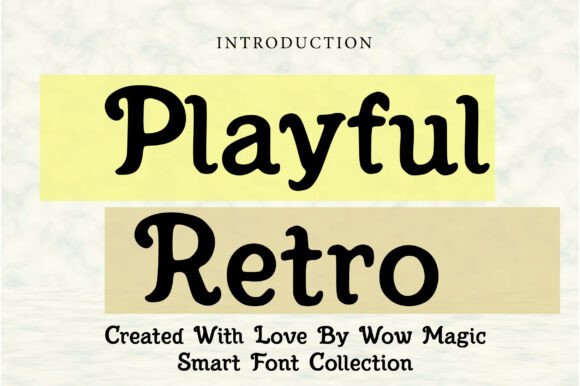
The Retro Revival Choice for Bold Campaign Typography
It was 2:00 PM on a Tuesday, and the campaign launch board was still looking flat. I had spent the morning refining the copy for our upcoming seasonal sale, but the visual hierarchy felt lost in the noise of fast-scrolling social feeds. We needed something that didn’t just sit on the screen but demanded attention without shouting. That’s when I opened the asset library and pulled up The Retro Revival Choice. It wasn’t just another decorative typeface; it was the missing piece that tied our entire creative workflow together.
As a content creator who lives in the intersection of strategy and design, I’ve learned that typography is often the silent driver of conversion. When we were preparing the initial mockups for Instagram carousels and YouTube thumbnails, standard sans-serifs felt too corporate, and overly ornate scripts lacked readability. The Retro Revival Choice, with its vintage serif structure, offered the perfect balance. It brought an immediate sense of nostalgia and authority to the designs, making our message clearer and significantly easier to recognize in a crowded digital landscape.
Why The Retro Revival Choice Elevates Social Media Graphics
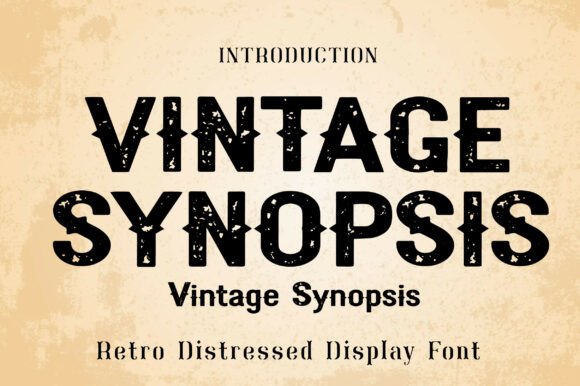
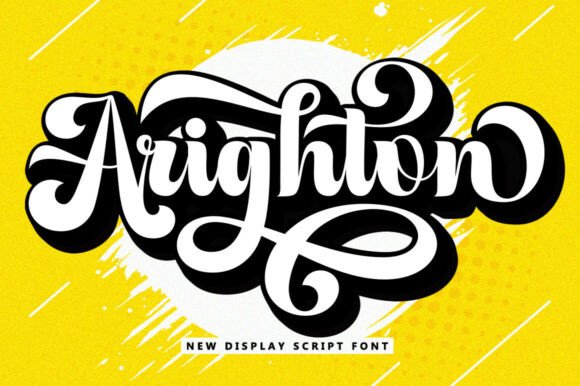
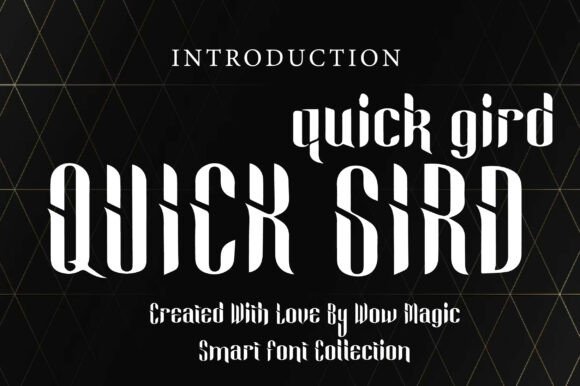
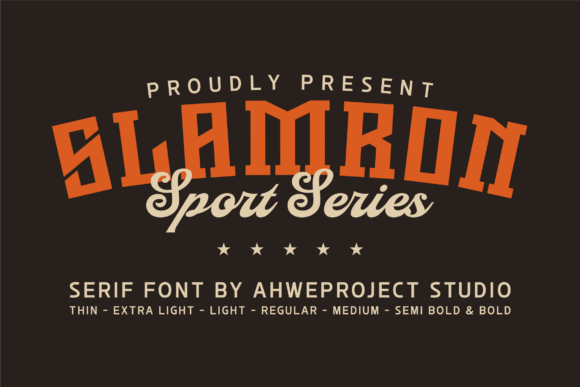
In the world of digital marketing, you have less than three seconds to capture attention. The Retro Revival Choice delivers impact instantly because it taps into the bold, colorful aesthetics of the past while maintaining modern legibility. When I started applying this font to our social media graphics, the difference was palpable. Unlike generic display fonts that can look dated or cluttered, this typeface features elegant serif structures that guide the eye naturally across the composition.
I used it primarily for headline text on static posts and story overlays. The weight and character spacing allowed the text to stand out against busy background images without requiring heavy drop shadows or outlines. For example, when creating a "Flash Sale" announcement, the sharp serifs added a touch of premium quality that made the offer feel exclusive rather than desperate. This subtle shift in perception is crucial for brand recognition. By consistently using The Retro Revival Choice across all platform-specific assets—from square Instagram posts to vertical TikTok covers—we established a cohesive visual identity that audiences began to associate with our brand’s voice.
The Retro Revival Choice for High-Impact YouTube Thumbnails
YouTube thumbnails are a unique challenge. Text must be readable at tiny sizes on mobile devices while still conveying emotion and context at full size on desktop. The Retro Revival Choice proved to be an exceptional tool for this specific use case. Its distinct letterforms ensure that key words remain legible even when scaled down.
In one recent campaign, we tested two thumbnail variations: one with a standard bold sans-serif and another featuring The Retro Revival Choice. While both conveyed the same information, the retro serif version stood out more effectively against the video background. The curves and angles of the letters created a dynamic contrast with the photographic elements, drawing the viewer’s eye directly to the call-to-action. This isn’t about gimmicks; it’s about strategic visual hierarchy. The font’s personality adds a layer of storytelling before the user even clicks, setting expectations for content that is both entertaining and well-produced.
Building Brand Consistency with Display Fonts
For brand managers and entrepreneurs, consistency is key to building trust. The Retro Revival Choice serves as a powerful anchor in a broader typography system. It works beautifully as a primary display font for headers, logos, and promotional banners, where its vintage charm can shine without overwhelming the user experience. However, its true power lies in how it pairs with other typefaces.
I recommend pairing The Retro Revival Choice with a clean, neutral sans-serif for body copy. This combination creates a sophisticated contrast: the serif font grabs attention and sets the mood, while the sans-serif ensures that detailed information remains easy to read. This approach is particularly effective for email marketing campaigns and landing page headers. When designing a webinar promotion or a course launch sequence, using The Retro Revival Choice for the main title creates a strong first impression, while the supporting text provides clarity. This synergy enhances message clarity and keeps the audience engaged from the subject line to the sign-up button.
Practical Applications for Digital Ad Sets and E-commerce
Beyond social media, The Retro Revival Choice has proven invaluable for e-commerce promotions and digital ad sets. In online shop campaigns, where products compete for space in a grid view, distinctive typography can break the monotony. I used it for limited-edition collection labels and seasonal sale badges. The font’s ability to convey a "vintage" or "classic" vibe aligns perfectly with products that emphasize craftsmanship, heritage, or timeless style.
- Promotional Banners: Use the font for short, punchy headlines like "New Arrival" or "Limited Stock" to create urgency with elegance.
- Quote Graphics: For thought-leadership content, the serif structure adds gravitas to testimonials or industry insights.
- Pin Designs: On Pinterest, where aesthetics drive traffic, the colorful and bold nature of the font helps pins stand out in search results.
When designing these assets, I always check how the font performs on dark backgrounds versus light ones. The high contrast of the black serifs against vibrant colors makes it versatile for various design themes. Whether you are creating a retro-themed poster or a modern minimalist ad, The Retro Revival Choice adapts to the context without losing its core identity.
Technical Considerations for Designers Using The Retro Revival Choice
Before integrating any new font into a professional workflow, it is essential to review the technical specifications. The Retro Revival Choice comes with a robust set of styles, including multiple weights and potentially alternates or ligatures, which allow for greater typographic flexibility. As a designer, I appreciate having access to different weights to establish clear visual hierarchy within a single layout.
Ensure you check the file formats included with the purchase to guarantee compatibility with your design software, whether it’s Adobe Illustrator, Photoshop, or Figma. Additionally, verify the commercial licensing terms if you plan to use the font in client campaigns, merchandise, or paid advertisements. Understanding these details upfront prevents legal issues and ensures smooth production. For multilingual campaigns, confirm that the font supports the necessary character sets to maintain consistency across global markets.
Optimizing Readability for Mobile-First Audiences
With the majority of users accessing content via mobile devices, readability is non-negotiable. The Retro Revival Choice is designed with display purposes in mind, meaning it excels at short bursts of text. When using it for captions, subtitles, or overlay text on videos, avoid long paragraphs. Instead, use it for keywords, hooks, and titles. This strategy respects the user’s time and cognitive load, delivering the core message instantly.
Test your designs at actual viewing sizes. Zoom out on your monitor to simulate how a thumbnail looks on a phone screen. If the serifs become muddy or the letters merge, adjust the tracking (letter spacing) or choose a lighter weight. The Retro Revival Choice offers enough variation to allow for these adjustments, ensuring that your campaign visuals remain crisp and professional regardless of the device. By prioritizing these practical design choices, you leverage the full potential of the typeface to drive engagement and reinforce your brand’s visual identity.