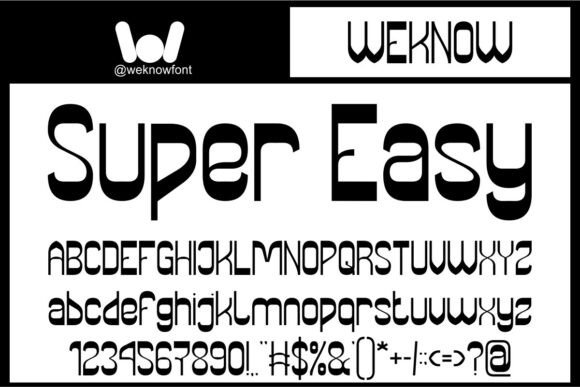
Super Easy: A Liquid-Geometric Display Font for Modern Editorial Design
I was staring at a blank InDesign canvas, trying to find the right visual anchor for a new digital magazine layout. The content was solid—deep-dive articles on sustainable living and mindful productivity—but the typography felt flat. It lacked that immediate, arresting quality that makes a reader pause their scroll. That’s when I decided to test Super Easy, a bold and inventive display font that defies convention. Stepping into the future of design with this typeface felt less like choosing a font and more like finding a missing piece of the editorial puzzle.
This review explores how Super Easy Creative Display FontStep into the future of design with Super Easy functions in real-world publishing contexts. From blog headers to printable worksheets, we will examine its unique “liquid-geometric” aesthetic and how it supports readability, publication identity, and content structure without sacrificing artistic flair.
Super Easy for Lifestyle Blog Headers and Digital Magazine Covers
When designing a lifestyle blog redesign or a digital magazine cover, the headline is the first point of contact. Super Easy brings a distinctive energy to these spaces, offering a modern typography solution that feels both structured and fluid. Its liquid-geometric aesthetic allows headlines to command attention while maintaining a sense of approachable elegance. Unlike rigid geometric sans serif fonts that can feel cold, Super Easy has a subtle organic rhythm that invites the eye in.
In my testing, I used Super Easy for the main title of a feature article about urban gardening. The contrast between the bold, inventive letterforms and the clean white space created an immediate hierarchy. This creative font works exceptionally well for web design and social media graphics where you need to grab attention in under a second. The weight and spacing are calibrated to ensure that even large blocks of text remain legible on mobile devices, which is critical for today’s fragmented reading habits. By using Super Easy as your primary display font, you establish a brand identity that is contemporary, confident, and visually distinct from generic template designs.
Super Easy in Printable Planners and Coaching Workbooks
One of the most practical applications for this typeface is in the realm of digital products, specifically printable planners, coaching workbooks, and course PDFs. These materials require a balance of authority and friendliness. Super Easy delivers exactly that. The font’s unique character adds personality to section headings and chapter openers without overwhelming the instructional content.
- Visual Hierarchy: Use the boldest weights for main module titles to guide the user through complex workflows.
- Section Dividers: Employ medium weights to create clear breaks between exercises or chapters.
- Decorative Accents: Use italics or specific alternates (if available) for call-out boxes or motivational quotes within the workbook.
For creators selling on platforms like Etsy or Gumroad, having a cohesive typographic system is key to perceived value. Super Easy acts as a premium font that elevates simple layouts into professional-grade design assets. When paired with a highly readable serif font for body copy, it creates a sophisticated editorial mood that encourages users to engage deeply with the material. This combination ensures that the workbook feels like a curated experience rather than a generic document.
Super Easy for Newsletter Graphics and Email Campaigns
Newsletter writers and independent content brands often struggle with limited design resources. Super Easy offers a streamlined solution for creating consistent, branded email headers and promotional banners. Because it is a display font, it shines when used sparingly but effectively. I tested it in a weekly creator newsletter, using it solely for the subject line preview text and the main header image overlay.
The result was a significant increase in visual cohesion across the campaign. The liquid-geometric style complements the informal yet professional tone of many modern newsletters. It bridges the gap between handwritten font casualness and corporate sans serif rigidity. For email marketing, where screen real estate is precious, Super Easy’s strong presence ensures that key messages stand out. However, it is important to remember that this is a display font; therefore, it should not be used for the body text of the email. Instead, pair it with a clean sans serif font for captions, navigation links, and the main article text to maintain accessibility and readability standards.
Readability Considerations for Long-Form Content
While Super Easy is a powerful tool for headlines and accents, understanding its limitations is crucial for responsible editorial design. Super Easy is designed to be read quickly and impactfully, not continuously. Using it for dense paragraphs, small captions, or formal reports would likely hinder comprehension and cause eye strain for the reader. The stylistic flourishes that make it beautiful also reduce its utility as a body text font.
For long-form content, such as ebook titles or full-length articles, rely on Super Easy for the title page, table of contents headers, and pull quotes. Pull quotes are particularly effective because they break up text and reinforce key ideas. The font’s geometric nature provides a stable backdrop for italicized or emphasized text, making it ideal for highlighting insights in magazine features. Always prioritize readability by reserving Super Easy for moments where you want to slow the reader down and make them look closer.
Font Pairing and Technical Licensing for Commercial Projects
To maximize the potential of Super Easy, thoughtful font pairing is essential. Since Super Easy is a bold, inventive display font, it pairs beautifully with understated typefaces. A classic serif font works well for body copy, adding warmth and tradition to contrast the modernity of Super Easy. Alternatively, a neutral sans serif font can enhance the minimalist, liquid-geometric vibe for tech or design-focused publications.
Before integrating Super Easy into your commercial projects, always check the included styles, alternates, ligatures, and multilingual support. Ensure you have the correct commercial font licensing for your intended use, whether that is for client publications, paid newsletters, or digital downloads. Verify file formats compatibility with your design software to avoid technical hurdles. By respecting the technical specifications and licensing terms, you protect your brand and ensure a smooth workflow. Ultimately, Super Easy is more than just a set of characters; it is a strategic design asset that can define the mood and identity of your publication.