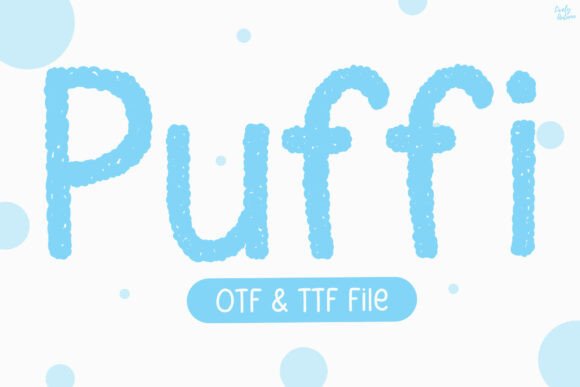
Puffi Display Font: Elevate Your Brand’s Visual Identity
I remember the exact moment I realized my small business branding needed a serious upgrade. I was sitting at my kitchen table, surrounded by half-finished packaging prototypes for my new line of hand-poured soy candles. The scent was perfect, the jar was elegant, but the label felt… flat. It lacked personality. It didn’t capture that airy, dreamy vibe I wanted customers to feel when they lit the flame. I had been using standard, safe fonts because they were easy to find and free, but as an entrepreneur, I knew that first impressions are everything. That afternoon, I stopped scrolling through generic font libraries and started looking for something with texture, warmth, and character. That search led me to Puffi.
If you are a small business owner, boutique owner, or creative entrepreneur who wants your brand visuals to stand out in a crowded market, typography is not just about readability—it is about emotion. Choosing the right typeface can transform a simple product into a memorable experience. Puffi is a delightfully soft and whimsical display font that captures the airy essence of a summer sky. This unique typeface features a hand-stippled, textured edge that gives it a tactile, organic feel without sacrificing legibility. In this guide, I will share how integrating Puffi into my business assets helped create a more consistent, polished, and trustworthy brand identity.
Puffi for Product Packaging and Label Design
When I redesigned my candle labels, I immediately noticed how much better Puffi performed compared to my previous choices. As a display font, Puffi is designed to grab attention, making it ideal for headlines, short phrases, and logo elements rather than long paragraphs of text. On a small product label, every pixel counts. The stippled texture of Puffi adds visual interest even at smaller sizes, provided you choose the right weight and spacing. For my skincare and wellness products, I used Puffi for the main product name on the front of the jar. It looked inviting and premium, suggesting quality ingredients and artisanal care.
Using a creative font like Puffi helps differentiate your products on shelves or in online shop thumbnails. When customers scroll through Instagram or browse Etsy, they see hundreds of similar items. A distinctive font can be the deciding factor that makes them click. I found that Puffi works exceptionally well for packaging design because its whimsical nature aligns perfectly with handmade, eco-friendly, and lifestyle brands. Whether you are designing boxes for baked goods, tags for clothing boutiques, or stickers for craft supplies, Puffi adds a layer of sophistication that feels personal and curated. Just ensure you test your designs at actual print size to guarantee that the texture does not become muddy on very small labels.
Puffi for Social Media Graphics and Digital Ads
My social media presence transformed once I committed to using Puffi consistently across all my platforms. Before, my Instagram posts looked disjointed because I switched between different fonts for quotes, announcements, and product highlights. By establishing Puffi as my primary header font, I created a cohesive visual language that followers could instantly recognize. When creating social media graphics, such as story templates, feed posts, or promotional banners, Puffi allows me to communicate key messages quickly and effectively.
The airy, soft aesthetic of Puffi resonates well with audiences looking for inspiration, relaxation, and beauty. It pairs beautifully with pastel color palettes, natural lighting, and minimalist photography. For digital ads, where you have only a few seconds to capture attention, a strong display font like Puffi can convey mood before the viewer even reads the copy. I use Puffi for headlines in my email newsletters and website banners to set a welcoming tone. However, it is important to remember that while Puffi is excellent for impact, it should be balanced with clean, readable body text. This balance ensures that your message is not only visually appealing but also accessible to all readers.
Puffi for Event Materials and Print Collateral
Beyond digital assets, Puffi has proven invaluable for physical marketing materials. I recently updated my thank-you cards and business cards, and the difference was night and day. Business cards are often kept in wallets or displayed on desks, so they need to make a lasting impression. Using Puffi for my name and title gave my card a bespoke, high-end feel. It signaled that I pay attention to detail—a trait that translates directly to customer trust.
For event-based businesses, such as pop-up shops, farmers markets, or workshops, Puffi is perfect for flyers, menus, and signage. Imagine a café menu where the drink names are written in Puffi; it evokes a cozy, inviting atmosphere that encourages customers to linger. Similarly, for wedding invitations or party stationery, the whimsical nature of Puffi adds a touch of romance and elegance. Because it is a commercial font, you can confidently use it on merchandise, templates, and client work, knowing that your licensing covers these professional applications. Always check the specific license agreement to understand usage rights, but generally, fonts like Puffi offer versatile options for various print needs.
How to Pair Puffi with Other Typography Styles
One of the biggest challenges in brand building is font pairing. You want variety, but you also need harmony. Puffi, with its textured and decorative qualities, shines best when paired with simpler, cleaner typefaces. I recommend combining Puffi with a clean sans serif font for body text. The contrast between the whimsical headline and the straightforward body copy creates a modern typography style that is both stylish and functional. For example, use Puffi for the title "Lavender Dream Candle" and a lightweight sans serif for the description "Hand-poured soy wax with essential oils."
Alternatively, if your brand leans more towards traditional elegance, you might pair Puffi with an elegant serif font. This combination works well for luxury brands or editorial design projects. Avoid pairing Puffi with other script fonts or handwritten fonts unless you are highly experienced, as too many decorative styles can clash and confuse the viewer. The goal is to let Puffi be the star while supporting typography handles the details. By limiting your font palette to two or three complementary types, you maintain visual consistency across all your brand identity assets.
Choosing the Right Fonts for Long-Term Brand Growth
Investing in a premium font like Puffi is an investment in your brand’s longevity. While free fonts are tempting, they often lack the nuance, kerning adjustments, and stylistic alternates that define professional design. Puffi comes with multiple weights and possibly ligatures, allowing you to create hierarchy and emphasis within your designs. This flexibility is crucial for scaling your business. As your product line grows, having a robust font family ensures that your branding remains adaptable and fresh.
When selecting fonts for your business, consider the mood you want to convey. Do you want to appear playful and approachable? Or sophisticated and serene? Puffi hits a sweet spot between fun and refined, making it suitable for a wide range of industries from beauty and wellness to home decor and food. Take the time to explore the included styles and file formats before purchasing. Test the font in your actual design software to see how it interacts with your logos and layouts. By making thoughtful typographic choices, you build a brand that feels authentic, professional, and ready to connect with your audience on a deeper level.