Pretty Ribbon Typeface: A Playful Outline Font for Festive Branding
I opened a blank Figma file, dragged in a few mockup frames, and stared at the white canvas. The client wanted a brand identity that felt warm, approachable, and undeniably charming—think artisanal skincare or a boutique gift shop. After cycling through three different sans-serif options that felt too sterile, I stumbled upon Pretty Ribbon. From the moment I typed out the first word, the design shifted. It wasn’t just text; it was an illustration. This playful outline font immediately added a layer of festive charm to my designs, transforming a simple logo draft into something that felt handcrafted and alive.
How Pretty Ribbon Elevates Logo Design and Brand Identity
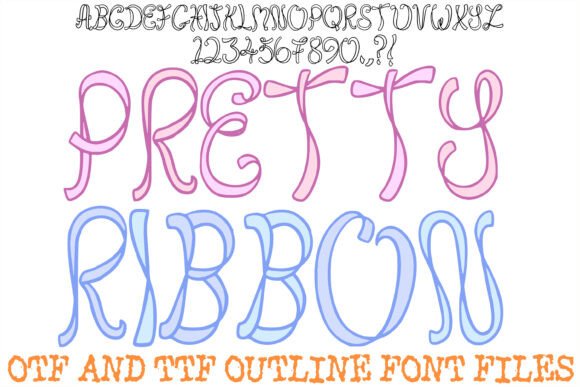
When you are building a brand identity from scratch, the typeface sets the emotional tone before the customer even sees the color palette. Pretty Ribbon, as a display typeface, does exactly what its name suggests: it mimics the fluid, looping anatomy of a satin ribbon. In my recent project for a local candle studio, I used this font for the primary logotype. The way the letters curl and overlap created a sense of movement and elegance that a standard geometric font simply couldn’t achieve. It captured attention instantly, making the brand feel premium yet accessible. For designers looking to create memorable visual marks, using a creative font like Pretty Ribbon can be the difference between a forgettable label and a shelf-ready product.
Pretty Ribbon for Packaging Design and Product Labels
Packaging is where typography meets tactile experience. I tested Pretty Ribbon on various label mockups, placing it on curved surfaces and flat cardboard boxes. The outline style of the font allows it to breathe, which is crucial when space is limited. Unlike heavy solid fonts that can look cluttered on small jars, the airy structure of Pretty Ribbon kept the design feeling light and luxurious. It worked beautifully for product names, adding a touch of whimsy without sacrificing legibility. When paired with minimalist line art or soft watercolor textures, the font enhanced the overall aesthetic, making the packaging feel like a gift even before it was unwrapped. This makes it an excellent choice for entrepreneurs selling handmade goods, cosmetics, or gourmet treats who want their physical products to stand out.
Integrating Pretty Ribbon Into Social Media Graphics and Digital Assets
Digital presence requires a different kind of typographic strategy than print, but the core principles of hierarchy remain the same. I used Pretty Ribbon for social media graphics, specifically for Instagram posts and Pinterest pins. Because it is a fonts category standout for display use, it performs exceptionally well as a headline element. On a busy feed, the unique loops and curves act as visual anchors, stopping the scroll. I paired the main title in Pretty Ribbon with a clean, neutral sans-serif font for body copy. This contrast ensured that while the headline grabbed attention, the information remained easy to read. For content creators and marketers, leveraging such a distinctive typeface helps establish a consistent visual voice across platforms, reinforcing brand recognition with every post.
Pretty Ribbon for Editorial Design and Website Headers
Beyond social media, I explored how this typeface functions in editorial layouts and web headers. In a digital brochure for a wellness retreat, I used Pretty Ribbon for section headers and pull quotes. The font’s organic feel softened the digital interface, making the website feel more inviting and human-centric. However, I learned quickly that it is not suitable for long-form body text. Its decorative nature demands respect and restraint. Used sparingly as an accent font or for short phrases, it adds personality without overwhelming the reader. For web designers, incorporating Pretty Ribbon in hero sections or navigation accents can inject character into modern websites, bridging the gap between traditional craftsmanship and contemporary digital design.
Practical Tips for Pairing Pretty Ribbon With Other Typefaces
One of the most common questions I receive from junior designers is how to pair a decorative font with supporting typography. The key is balance. Since Pretty Ribbon is highly stylized, it needs a partner that provides stability. In my branding project, I chose a classic serif font for subheadings and a clean sans-serif for functional text. This combination allowed Pretty Ribbon to shine as the star while ensuring the rest of the communication remained professional and clear. Avoid pairing it with other script fonts or overly decorative typefaces, as this creates visual noise. Instead, let the fluidity of Pretty Ribbon contrast with the structure of a modern typography style. This juxtaposition highlights the unique characteristics of the outline font, making it pop against simpler backgrounds.
Testing Pretty Ribbon for Commercial Font Licensing and Client Work
Before finalizing any design assets, always verify the commercial font licensing terms. While Pretty Ribbon is perfect for personal projects and many commercial applications, understanding the scope of your license is crucial for client work. I recommend testing the font extensively in your specific context—whether that’s embroidery, large-format printing, or high-resolution web rendering. Check for included styles, alternates, and ligatures that might enhance your design flexibility. Multilingual support is also worth verifying if your brand targets a global audience. By treating the font selection process as part of your research phase, you ensure that the final deliverables are not only visually stunning but also legally sound and technically robust for production.
Why Pretty Ribbon Is a Versatile Choice for Creative Studios
In a market saturated with generic templates, offering clients a bespoke typographic solution can set your studio apart. Pretty Ribbon provides that bespoke feel with minimal effort. It works seamlessly across various mediums, from business cards and letterheads to tote bags and event posters. The font’s ability to convey warmth and festivity makes it particularly effective for seasonal campaigns, holiday promotions, and special edition releases. For freelancers and small business owners, investing in a high-quality display font like Pretty Ribbon can elevate the perceived value of their brand. It signals attention to detail and a commitment to aesthetics, qualities that resonate deeply with consumers who appreciate craftsmanship and care in design.
Final Implementation Strategies for Maximum Impact
To get the most out of Pretty Ribbon, focus on negative space. The looping anatomy of the letters requires room to breathe, so avoid cramming them together. Use generous kerning and leading to maintain readability and elegance. Experiment with scale; sometimes, enlarging the text to fill a significant portion of the layout can turn the typography itself into a graphic element. Additionally, consider color interactions. Soft pastels complement the gentle curves, while bold, saturated colors can make the outline style pop dramatically. By thoughtfully integrating Pretty Ribbon into your design system, you create a cohesive and captivating brand experience that leaves a lasting impression on your audience.