Line Thick Typeface Review: Warm Display Fonts for Editorial Design
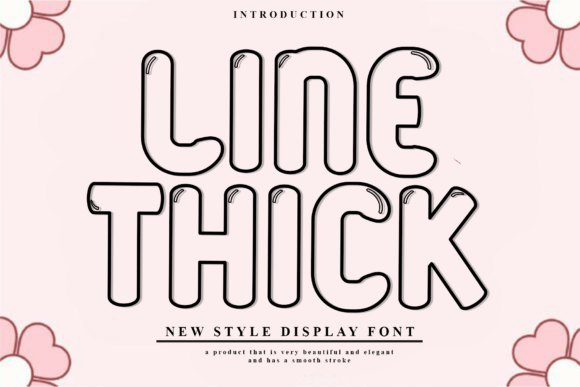
I remember sitting at my desk late one Tuesday, staring at a blank InDesign file for a lifestyle newsletter redesign. The body copy was set in a reliable serif, but the header felt sterile, lacking the human touch our audience had come to expect. We needed something that felt approachable yet polished, a typeface that could carry the weight of a headline without shouting. That was when I pulled up Line Thick, a casual and creative font that exudes warmth and friendliness. It wasn’t just another decorative option; it was the missing piece of our visual identity puzzle.
In the world of editorial design, choosing the right Fonts is less about following trends and more about establishing trust through readability and mood. This review explores how Line Thick functions not merely as a stylistic flourish, but as a functional tool for publishers, bloggers, and digital creators who want to elevate their content structure while maintaining a relaxed aesthetic.
Line Thick for Wedding Invitations and Personal Branding
When we talk about Display typography, we are often discussing fonts that demand attention. However, Line Thick achieves this through softness rather than aggression. Its round, playful strokes create a relaxed and approachable feel, making it an exceptional choice for personal projects where emotional connection is paramount. I recently tested this typeface on a wedding guide layout, and the results were immediate. The letters didn't just sit on the page; they invited the reader in.
This font is perfect for personal projects, invitations, and social media graphics where you need to convey hospitality and joy. Unlike rigid geometric sans-serifs or overly ornate scripts that can become illegible at smaller sizes, Line Thick strikes a balance. It works beautifully as a primary heading for save-the-date cards, ceremony programs, or even the title page of a digital guest book. The character weights provide enough presence to stand alone against subtle background textures, ensuring that your message remains clear even in complex layouts.
- Emotional Resonance: The rounded edges reduce visual tension, creating a welcoming atmosphere for readers.
- Versatility in Stationery: Ideal for both print-heavy items like letterheads and digital assets like email headers.
- Brand Personality: Instantly signals a brand that values community, creativity, and ease.
Line Thick for Lifestyle Blog Headers and Newsletter Graphics
For digital publishers, the challenge is often capturing attention within seconds. A cluttered dashboard of design tools can lead to generic choices, but using a distinctive creative font can set your publication apart from the noise. I integrated Line Thick into the header of a coaching workbook template, and it transformed the document from a simple PDF into a branded experience.
The font’s modern typography style allows it to function effectively in web design contexts, particularly for hero sections and pull quotes. When used for blog headers, it provides a strong visual anchor that guides the eye down the page. Because it is a display font, it should be used sparingly. I found that setting the main article title in Line Thick, followed by a clean sans-serif font for the subheadings and body text, created a perfect hierarchy. This contrast ensures that while the headline grabs interest, the content remains easy to digest on mobile devices.
Furthermore, its adaptability extends to social media graphics. Whether you are designing Instagram carousels for a wellness coach or Pinterest pins for a recipe ebook, Line Thick adds a layer of professionalism that feels hand-crafted. It avoids the coldness of standard system fonts while remaining legible enough for quick scanning. This makes it an invaluable asset for independent content brands looking to maintain consistency across multiple platforms.
Editorial Mood and Readability in Long-Form Content
While Line Thick excels as a headline maker, understanding its limitations is crucial for effective editorial design. No matter how charming a typeface is, it must serve the content. I evaluated Line Thick for use in longer reading passages, such as chapter openers or introductory paragraphs in a digital magazine. While the font has excellent rhythm and personality, its expressive nature can cause eye fatigue if overused.
Therefore, it is best reserved for titles, subtitles, pull quotes, section headings, cover text, and decorative accents. For dense paragraphs or formal reports, a neutral serif or sans-serif font is far more suitable. By pairing Line Thick with a highly readable serif font for body copy, you create a dynamic interplay between personality and clarity. This combination supports visual hierarchy, allowing the reader to navigate the content structure effortlessly. The display font acts as a signpost, while the body font acts as the vehicle for information.
Consider a printable planner or a course PDF. Using Line Thick for the module titles and key takeaways creates memorable landmarks in the document. It breaks up the monotony of instructional text and keeps the learner engaged. However, avoid using it for small captions or fine print, as the thick strokes may blur together on low-resolution screens or in small print runs.
Practical Font Pairing and Licensing Considerations
To maximize the impact of Line Thick, thoughtful font pairing is essential. Since this is a premium font with a distinct voice, it pairs well with understated companions. A clean sans-serif font works wonderfully for navigation menus, button text, and metadata, providing a modern counterpoint to the playful display font. Alternatively, a classic script font can be used sparingly for handwritten-style notes or signatures within the layout, though care must be taken to ensure they do not compete for attention.
Before incorporating Line Thick into commercial projects, always check the included styles, alternates, ligatures, and multilingual support. Not all display fonts offer extensive language coverage, which is vital for global publications. Additionally, verify the commercial font licensing terms. If you are designing templates for resale, creating paid newsletters, or producing client publications, ensure the license covers end-product usage. Understanding these technical details protects your work and ensures that your design assets are legally sound.
Ultimately, Line Thick is more than just a collection of glyphs; it is a mood setter. It brings warmth to cold screens and friendliness to formal documents. For designers seeking to infuse their work with a sense of calm expertise and creative flair, this typeface offers a robust solution. By applying it strategically to headers, branding elements, and key editorial features, you can create layouts that resonate deeply with your audience, turning passive readers into engaged followers.